


From Potential to Pipeline: The Principles of People Development That Drive Retention and Leadership Continuity
Updated: May 5
Organizations across every industry are talking about talent development as an engagement contributor. Yet despite the conversations, many organizations still struggle with retention challenges, declining engagement scores, and thin succession pipelines. So where is the gap? The gap is not awareness. The gap is implementation.

People development is not a program. It is a leadership philosophy. When organizations intentionally invest in the growth of their people, the outcomes are measurable. Employees stay longer, engagement improves, and leadership continuity becomes sustainable rather than reactive.
According to LinkedIn’s Workplace Learning Report, “94 percent of employees say they would stay at a company longer if it invested in their career development”. Similarly, Gallup research consistently shows that organizations that prioritize employee development experience significantly higher engagement, lower turnover and greater profitability.
The real question is: How do organizations move from aspiration to action? Below are several foundational principles that consistently differentiate organizations that truly develop talent from those that simply talk about it.
Development must be embedded in leadership, not outsourced to HR
Learning programs alone do not create development cultures. A development culture stems from invested leaders who identify the skill gaps within their teams and work with individuals to create plans to address them.
The most successful organizations treat talent development as a shared leadership responsibility rather than a centralized HR initiative. Managers who coach, challenge, and stretch their teams create environments where people grow through real work experiences. This includes:
Meaningful feedback and coaching
Opportunities to lead projects or initiatives
Exposure to cross-functional experiences
Encouragement to experiment, learn, and iterate
When leaders see development as part of their role, growth becomes part of the daily rhythm of work rather than an occasional training event.
Development must be visible
Employees stay where they can see a future career path for themselves. One of the most common drivers of disengagement is not a lack of opportunity, but a lack of clarity about what those opportunities look like. Transparent career pathways, internal mobility programs, and leadership development frameworks help employees envision their next chapter within the organization.
Organizations that communicate potential pathways, even if they are not linear, signal a powerful message: Your growth matters here! These pathways, coupled with mentorship programs and targeted career development plans, create visibility that builds both commitment and engagement.

High performance and high potential must be developed differently
Not every employee wants to lead people, and not every strong performer is necessarily a future executive. Future ready organizations differentiate between high performance and leadership potential and create development experiences tailored to both.
High performers may thrive through technical mastery, project leadership, or specialist roles. However, high potential leaders may benefit from broader enterprise exposure, strategic thinking opportunities, and experiences that build influence across functions. In each instance, thoughtful talent segmentation ensures development investments are both meaningful and strategic.
Development must be continuous, not event based
Traditional training models often focus on isolated learning moments. Some organizations may offer a workshop here, or a leadership program there.
However, learning science tells us that development happens most effectively through experience, reflection, and application. The widely recognized 70-20-10 model for learning and development, referenced by the Center for Creative Leadership, reinforces that most professional growth occurs through on-the-job experiences and relationships rather than formal training alone.
Organizations that integrate learning into real work environments see stronger outcomes. Development becomes a living process rather than a scheduled event.
Succession planning must start earlier than we think
Many organizations begin succession planning when leadership roles become vacant. By then, it is often too late.
Sustainable succession pathways are built years in advance. They rely on identifying emerging leaders early, providing them with progressive development opportunities, and ensuring exposure to strategic decision making.
This proactive approach not only strengthens leadership pipelines, but also signals to employees that advancement is possible through growth and contribution. When done well, succession planning becomes a natural evolution rather than a crisis response.
The leadership imperative
At its core, people development is an investment in both performance and possibility.
Organizations that build intentional development cultures create environments where employees feel valued, challenged, and supported. The results are tangible: stronger retention, higher engagement, and deeper leadership benches.
Yet the most important outcome, may be something less measurable but equally critical. It is trust. When organizations commit to developing people, they demonstrate belief in their potential. Once trust is established, it becomes the foundation of every high performing culture.
As leaders, the opportunity in front of us is clear. The organizations that will thrive in the future will not simply manage talent. They will grow it, invest in it and build the trust required to sustain it.
References
LinkedIn Learning. Workplace Learning Report.https://learning.linkedin.com/resources/workplace-learning-report
Gallup. Employee Engagement and Workplace Performance Research.https://www.gallup.com/workplace
Center for Creative Leadership. The 70 20 10 Rule for Leadership Development.https://www.ccl.org/articles/leading-effectively-articles/70-20-10-rule
About the Author

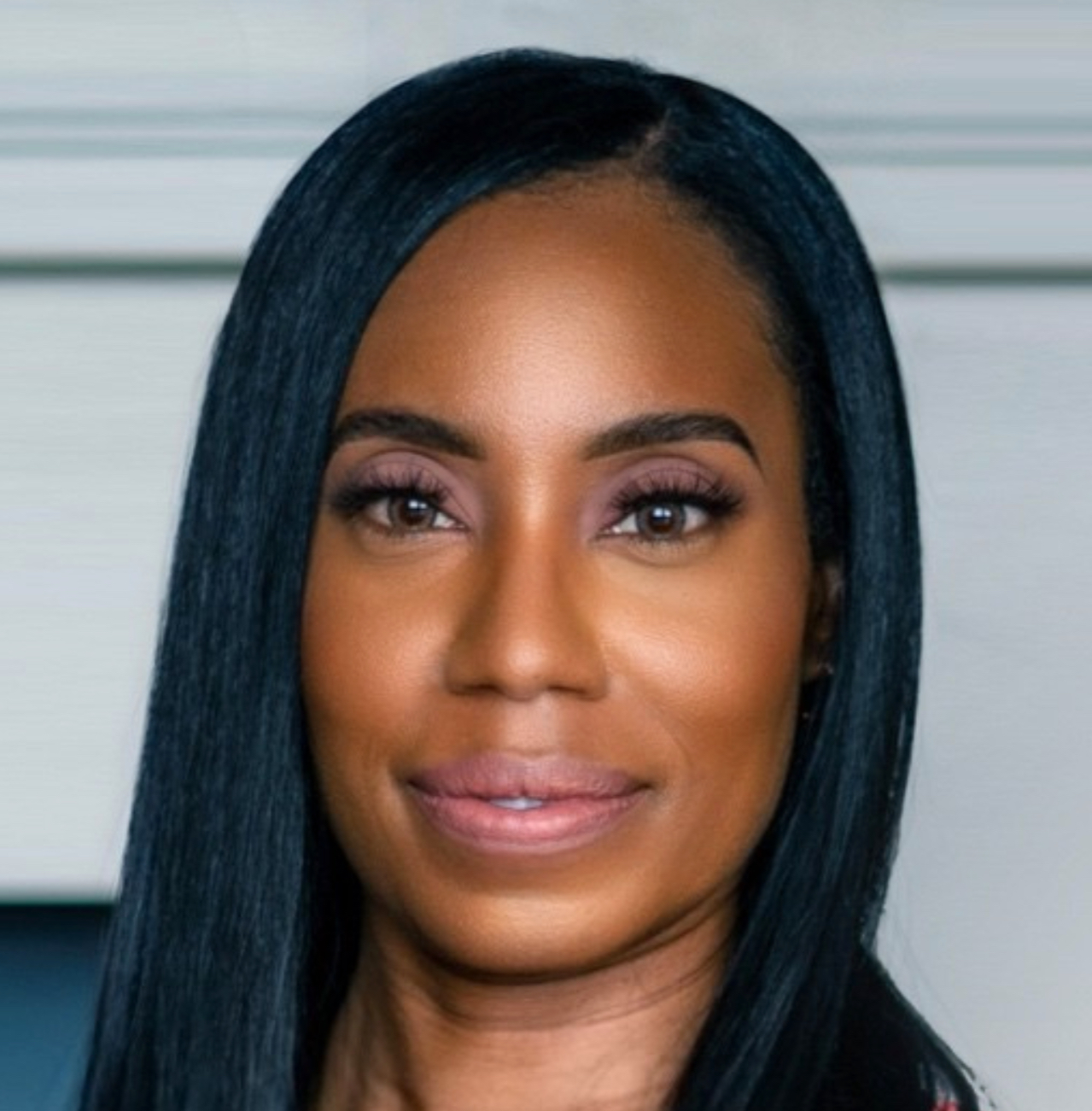
Siobhan Calderbank is the Vice President, Talent and Performance at Element Fleet Management and an award-winning HR executive with more than 20 years of experience shaping leadership and talent strategies. She is known for building high performing cultures and developing future ready leaders that strengthen engagement, retention, and succession pipelines. She is also the founder of Butterfly Ladies Mentoring, a nonprofit dedicated to expanding opportunity and empowering the next generation of female leaders.
Black Fleet Network® is driving fearless conversations at the intersection of fleet, mobility, and community — stay connected. Subscribe to our TreadWrite Newsletter.

![Building a Sustainable [Fleet] Technician Corps: Why Barriers Persist and How We Remove Them](https://static.wixstatic.com/media/11062b_c9845594ea0f4e7e8c7300a0ab0125d5~mv2.jpg/v1/fill/w_980,h_654,al_c,q_85,usm_0.66_1.00_0.01,enc_avif,quality_auto/11062b_c9845594ea0f4e7e8c7300a0ab0125d5~mv2.jpg)

Comments